085 222 0619Available 8:00 - 18:00
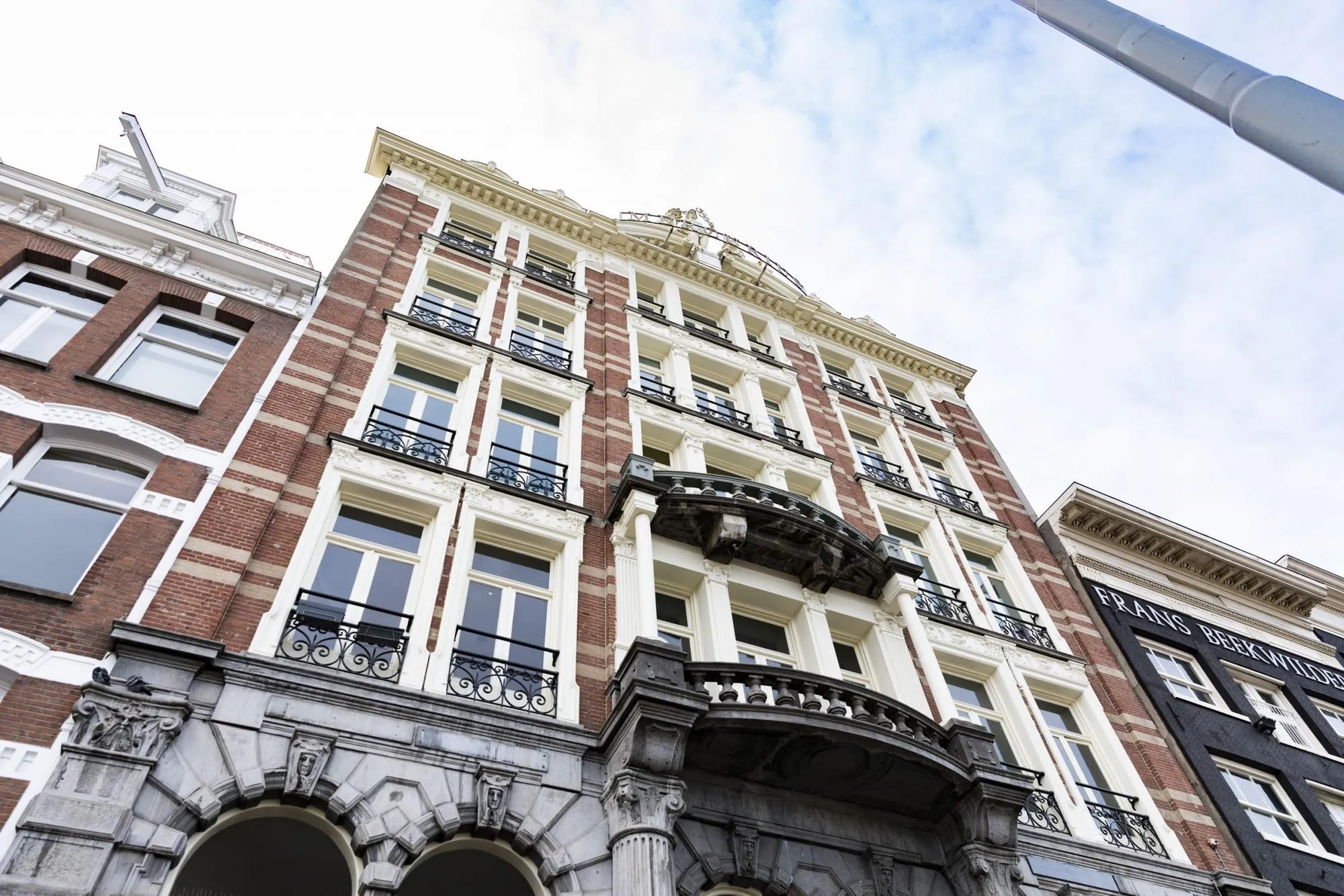
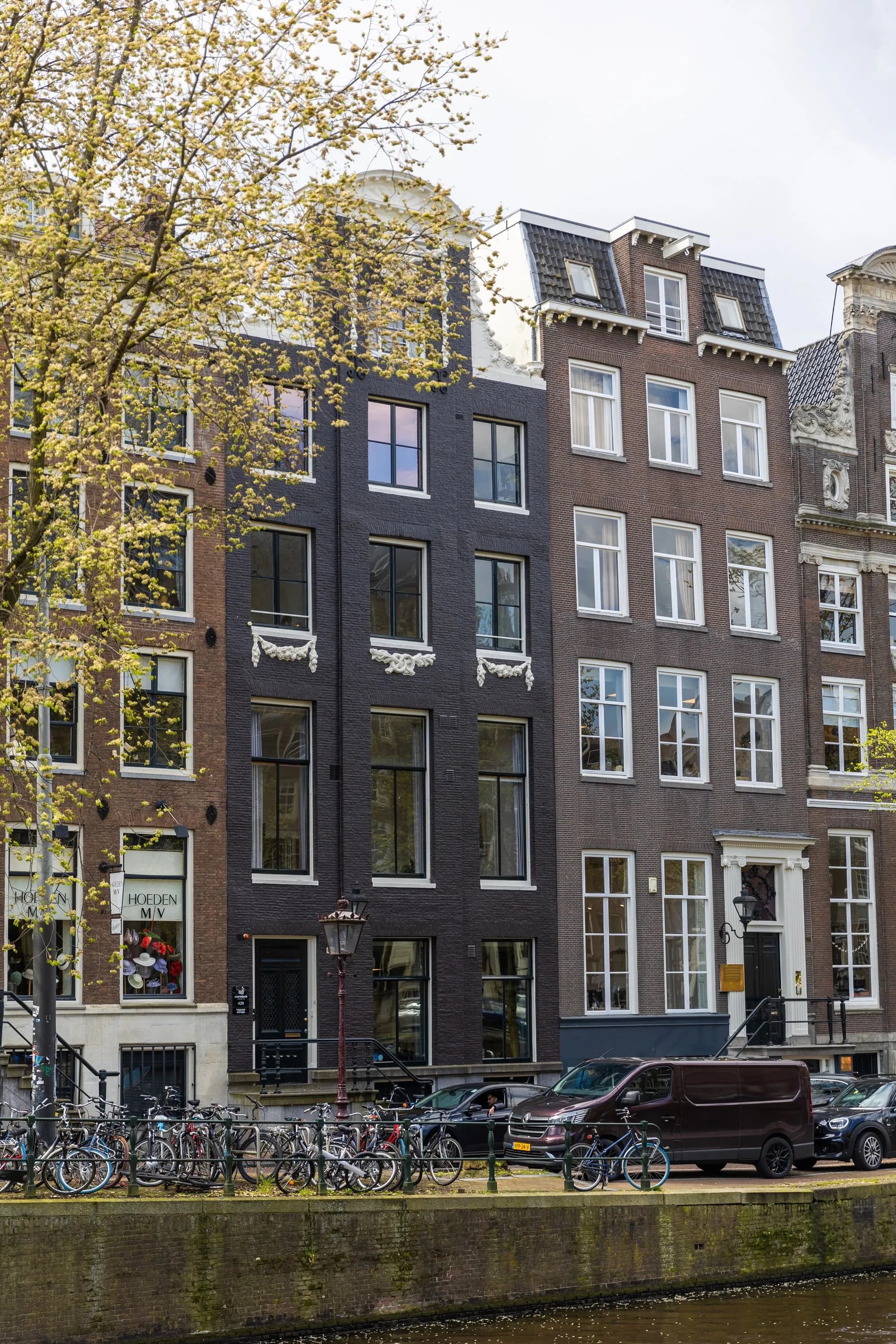
StartDock Prins Hendrikkade 21
-
Area
Office space
Property type
For rent
Rental property
StartDock Prins Hendrikkade 21 is a spacious and bright office building located in the heart of Amsterdam, directly opposite Amsterdam Central Station. This international and dynamic location offers the perfect environment for startups, scale-ups, freelancers, and international teams that want to collaborate and grow together. The building is home to the StartDock Visa Program, making it a true international hub with an impressive Google rating of 4.9 (based on 66 reviews).
The StartDock concept offers maximum flexibility with coworking spaces, dedicated desks, private offices for teams, and virtual offices complete with official business address. All spaces are equipped with high-speed fiber optic internet, phone booths, printing and scanning facilities, and unlimited coffee and tea. The building also features multiple professionally designed meeting rooms, an event space for gatherings, a reception area, and a spacious rooftop terrace.
Shared spaces and regular events foster a strong community atmosphere. Tenants have access to all StartDock locations in Amsterdam, Rotterdam, and Utrecht, enjoy daily communal lunches and inspiring social events, and are supported by a professional team and on-site community manager. All services are carbon-compensated. Discover more Office space for rent in Amsterdam on our website.
Fiber Internet
Meeting Rooms
Reception
Furnished option
Office space
For rent
Price on request
To be determined
The property at Prins Hendrikkade 21 in Amsterdam is a commercial retail space of 280 m² constructed in 1910. The building is currently in active use and maintains its original retail function, making it an established commercial premise in a prominent Amsterdam location. Its historic character combined with operational status offers potential for retail or mixed-use commercial activities.
Year Built
1910
Designated Use
Retail
BAG area
280 m²
Status
Pand in gebruik
Source: Kadaster BAG
We know the Amsterdam market
Leave a search request and get free, independent advice on the current offering.
Amsterdam centrum
260 m
Amsterdam Centraal
282 m
Amsterdam Airport Schiphol
11.5 km
A10, A1
Nearby
A-Train Hotel
Hotel · 10 m
Albert Heijn
Supermarket · 24 m
OLVG Spuistraat
Hospital · 953 m
This office location on Prins Hendrikkade in Amsterdam's Burgwallen-Nieuwe Zijde district offers exceptional accessibility for business operations. Amsterdam Centraal station lies practically on the doorstep, making it effortless for employees and clients to arrive by train from across the Netherlands and beyond. The A10 motorway is within easy driving distance, while Amsterdam Airport Schiphol can be reached on a short drive, ensuring convenient connections for international travel. The premises sit just steps away from Amsterdam's vibrant city center, positioning the business at the heart of the capital's commercial activity. For daily convenience, essential amenities surround the location: an Albert Heijn supermarket sits nearby for quick lunch provisions, the A-Train Hotel is just around the corner for accommodating business guests, and OLVG Spuistraat hospital is readily accessible. This combination of excellent public transport links, proximity to Schiphol Airport, and abundant local facilities creates an ideal setting for a professional office environment where staff and visitors can move seamlessly throughout their workday.
Last updated on: 14 September 2026. We refresh this data at least once a year.
Figures for Hemelrijk, Amsterdam, source: CBS Kerncijfers wijken & buurten
Number of establishments, source: CBS
Hemelrijk is a compact and densely populated urban neighborhood in Amsterdam, with just 580 residents spread across 405 households within a 6-hectare area, creating a bevolkingsdichtheid of over 10,400 people per square kilometer. The district hosts 425 business establishments across 173 non-residential properties, establishing itself as a mixed-use commercial hub with a clear emphasis on service and retail activity. Business services dominate the local economy with 145 establishments, while trade and hospitality account for 125 venues, together forming the backbone of a vibrant street-level commercial environment that caters to both office users and foot traffic. Supporting sectors including culture, recreation and transport services add further diversity, making Hemelrijk an animated, multifunctional quarter rather than a single-purpose zone. With a car ownership rate of just 0.3 vehicles per household, the neighborhood prioritizes pedestrian and public transport accessibility, ideal for businesses targeting urban professionals and visitors. For prospective commercial tenants, Hemelrijk offers excellent visibility, high pedestrian volumes, and a established ecosystem of complementary businesses, making it particularly well-suited for retail, hospitality, and client-facing professional services.
CBS dataset: 86165NED · Last updated: September 14, 2026

Miquel van Dongen
Tech Director
As Tech Director at RE-SEARCH, Miquel van Dongen is co-responsible for developing the platform and for collecting, structuring and analysing data. By combining technology with real estate expertise, he ensures that RE-SEARCH can continuously generate reliable and up-to-date market data.
Office space rent – city Amsterdam
€/sqm per year
Amsterdam's prime office market shows two distinct growth phases. From 2016 to 2019, rents climb steadily from €165 to €185 during stable economic conditions. Covid-19 triggers stagnation in 2020–2021 (€185–€188) as hybrid working adoption dampens traditional office demand. The market then accelerates sharply from 2022 onwards, reaching €343 by 2026. This reversal is driven by three dynamics: (1) rising interest rates from 2023 redirect institutional capital toward real estate underweighting, (2) scarcity of grade-A stock in tier-1 cities constrains supply, and (3) user migration toward premium, well-located office space following the hybrid-work reset. The 108% cumulative growth is heavily skewed toward 2022–2026, reflecting structural undersupply rather than occupier demand.
Receive a suitable offer within 1 hour

Response within 1 hour
Quick contact with a specialized commercial broker.
Completely free
Requests are non-binding and without hidden costs.
Always multiple options
Receive suitable alternatives in addition to this property.